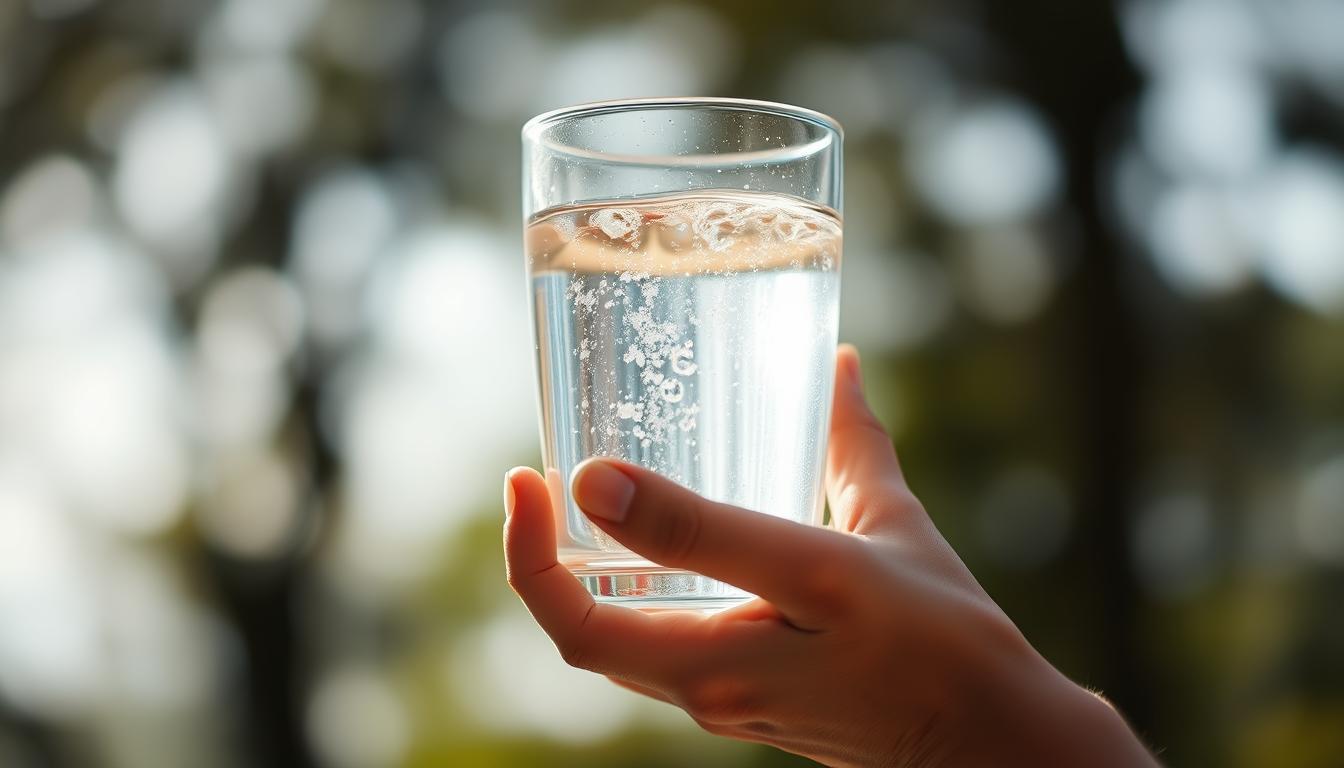
Are you aware of the transformative power of hydration? Drinking enough water daily can have a significant impact on our overall health and wellbeing.
Staying hydrated is essential for maintaining energy levels, supporting bodily functions, and promoting healthy skin. But, how much water should we drink? The answer may surprise you.
Understanding the importance of daily water intake can help you make informed decisions about your hydration habits. In this article, we’ll explore the benefits and provide guidance on how to incorporate more water into your daily routine.
Key Takeaways
- Discover the recommended daily water intake
- Learn how hydration affects energy levels and overall health
- Explore simple ways to increase your daily water consumption
- Understand the role of hydration in maintaining healthy skin
- Find out how drinking enough water can support your overall wellbeing
Why Water Is Essential for Your Body
Water is the foundation of life, and its importance cannot be overstated when it comes to our bodily functions. It plays a crucial role in various physiological processes, making it essential for maintaining overall health.
The Role of Water in Human Physiology
Water is vital for numerous bodily functions, including regulating body temperature, facilitating digestion, and transporting nutrients and oxygen to cells. It also plays a key role in maintaining healthy skin, muscles, and joints. Proper hydration is necessary for optimal bodily functions.
How Much Water Do You Actually Need?
The amount of water we need can vary depending on factors such as age, sex, weight, and activity level. Generally, it’s recommended to drink at least eight glasses of water a day. However, some experts suggest that we should drink half an ounce of water per pound of body weight. Listening to your body and drinking when thirsty is also a good guideline.
Benefits of Drinking Water Daily
Drinking enough water each day can lead to immediate and long-term advantages. Proper hydration is crucial for maintaining various bodily functions, from regulating body temperature to facilitating the proper functioning of organs.
Immediate Effects of Proper Hydration
One of the immediate benefits of drinking water is the boost in energy levels and mental performance. Even mild dehydration can cause fatigue, headaches, and difficulty concentrating. Drinking water can also improve physical performance by lubricating joints and muscles.

Long-term Health Advantages
Staying hydrated has numerous long-term health benefits, including reducing the risk of certain diseases. Proper hydration can help maintain healthy blood pressure and support kidney function.
| Health Benefit | Description |
|---|---|
| Improved Digestion | Water helps dissolve nutrients and soluble fiber, making them more accessible to the body. |
| Reduced Disease Risk | Adequate hydration can lower the risk of kidney stones and certain types of cancer. |
| Better Skin Health | Hydration keeps skin elastic and resilient, reducing the appearance of fine lines and wrinkles. |
By incorporating sufficient water intake into your daily routine, you can enjoy these staying hydrated benefits and enhance your overall well-being.
Improved Physical Performance and Energy Levels
Hydration is key to unlocking your full physical potential and maintaining energy throughout the day. When you drink enough water, you’re not just quenching your thirst; you’re also enhancing your body’s ability to perform at its best.
Water’s Impact on Exercise and Athletic Performance
Water is crucial for athletes and individuals who engage in regular physical activity. It helps regulate body temperature, transport nutrients and oxygen to cells, and remove waste products. Proper hydration can improve endurance, reduce fatigue, and enhance overall athletic performance. In fact, even mild dehydration can cause a decline in physical performance, making it essential to drink water before, during, and after exercise.
How Hydration Fights Fatigue and Muscle Cramps
Dehydration is a common cause of fatigue, muscle cramps, and spasms. When your body loses more fluids than it takes in, it can disrupt the balance of electrolytes, leading to muscle cramps and weakness. Drinking enough water helps maintain the balance of electrolytes and reduces the risk of muscle cramps. By staying hydrated, you can reduce the risk of fatigue and maintain your energy levels throughout the day.
By incorporating the benefits of staying hydrated into your daily routine, you can experience the daily water consumption benefits firsthand, from improved physical performance to enhanced overall well-being.
Enhanced Brain Function and Mood
Proper hydration is linked to enhanced cognitive performance and better mood regulation. When the body is well-hydrated, the brain functions more efficiently, leading to improved concentration, memory, and mental clarity.
The Connection Between Hydration and Cognitive Abilities
Research has shown that even mild dehydration can impair cognitive abilities, including attention and memory. Drinking enough water daily can help maintain focus and productivity throughout the day.

Water’s Effect on Mood Regulation and Mental Clarity
Hydration also plays a significant role in mood regulation. Dehydration can lead to feelings of anxiety and depression, while adequate hydration supports a balanced mood and mental well-being. By making water a priority, individuals can experience these advantages of hydration firsthand.
Understanding the importance of daily water intake can motivate individuals to make hydration a habit, leading to improved overall health.
Weight Management and Digestive Health
Adequate hydration is essential for effective weight management and optimal digestive health. Drinking enough water daily can significantly impact our metabolism and digestive system’s efficiency.
How Water Supports Metabolism and Appetite Control
Water plays a crucial role in boosting our metabolic rate, helping the body burn calories more efficiently. Additionally, drinking water before meals can aid in appetite control, reducing the likelihood of overeating.
Digestive Benefits of Proper Hydration
Proper hydration is vital for preventing constipation and ensuring smooth digestion. Water helps dissolve nutrients and minerals, making them more accessible to the body.
Water’s Role in Detoxification
Water is a key component in the body’s natural detoxification processes. It helps flush out toxins and waste products, supporting overall health.
As Dr. F. Batmanghelidj once said,
“Water is the primary regulator of the body’s energy and its storage and release mechanisms.”
This underscores the importance of hydration in maintaining not just digestive health, but overall well-being.
Better Skin Health and Appearance
Hydration plays a significant role in skin health, affecting its elasticity and appearance. Drinking enough water daily can lead to a more radiant and youthful complexion.
Skin Elasticity and Glow
Proper hydration helps maintain skin elasticity, reducing the appearance of fine lines and wrinkles. When the skin is well-hydrated, it looks more plump and vibrant, giving it a healthy glow.
Combating Common Skin Problems
Water helps combat common skin issues such as acne and dryness. Hydration supports the skin’s natural barrier function, making it more resilient against environmental stressors.
| Hydration Level | Skin Condition |
|---|---|
| Well-hydrated | Elastic, radiant, and healthy |
| Dehydrated | Dry, dull, and prone to issues |
The Connection Between Hydration and Aging
Adequate hydration is linked to a reduction in signs of aging. Drinking water daily can help maintain a youthful appearance by keeping the skin hydrated and supple.

Step-by-Step Guide to Increase Your Daily Water Intake
Making hydration a priority can significantly impact your overall well-being, and we’re here to guide you through it. Increasing your daily water intake doesn’t have to be complicated. By following a few simple steps, you can develop healthy hydration habits that last.
Step 1: Calculate Your Personal Water Needs
The first step is to determine how much water you need daily. A general guideline is to drink at least eight 8-ounce glasses a day, but your individual needs may vary based on factors like age, sex, weight, and activity level. Consider using a hydration calculator to get a more personalized recommendation.
Step 2: Create a Consistent Hydration Schedule
Establishing a routine is key to making hydration a habit. Try to drink water at the same times each day, such as when you wake up, at meals, and before and after exercise. Consistency will help make drinking water a natural part of your daily routine.
Step 3: Make Water More Appealing with Natural Flavors
If plain water doesn’t excite you, try adding slices of lemon, lime, or cucumber to give it a refreshing twist. You can also experiment with mint leaves or berries for a flavorful boost. Making water more appealing can encourage you to drink more throughout the day.
Step 4: Use Technology and Tools to Track Consumption
Leverage technology to your advantage by using apps or smart water bottles that track your water intake. These tools can send reminders and provide insights into your hydration habits, helping you stay on track.
Step 5: Incorporate Hydration-Rich Foods into Your Diet
In addition to drinking water, you can also increase your hydration by consuming foods with high water content, such as watermelon, cucumbers, and celery. These foods not only contribute to your hydration but also provide essential nutrients.
By following these steps, you can significantly improve your daily water intake and enjoy the numerous benefits associated with proper hydration, from better physical performance to enhanced cognitive function.
Conclusion: Making Hydration a Lifelong Habit
Drinking water daily is a simple yet powerful way to improve overall health and wellbeing. By understanding the benefits of staying hydrated, individuals can take the first step towards a healthier lifestyle. The advantages of hydration are numerous, ranging from improved physical performance and energy levels to enhanced brain function and mood.
Making hydration a lifelong habit requires commitment and consistency. By incorporating the tips outlined in this article, such as calculating personal water needs and making water more appealing with natural flavors, individuals can develop a sustainable hydration routine. As a result, they can enjoy the long-term health benefits of proper hydration, including better skin health, weight management, and digestive health.
By prioritizing hydration, individuals can take control of their health and wellbeing. With a little effort and dedication, staying hydrated can become a natural part of daily life, leading to a healthier and happier life.
FAQ
How much water should I drink daily?
The daily water intake recommendation varies, but a common guideline is to drink at least eight 8-ounce glasses of water a day, known as the 8×8 rule. However, individual needs may differ based on factors like age, sex, weight, activity level, and climate.
Can drinking water help with weight loss?
Yes, drinking water can aid in weight loss by boosting metabolism, suppressing appetite, and improving overall digestive health. Staying hydrated is essential for maintaining a healthy weight.
Is it possible to drink too much water?
Yes, drinking excessive amounts of water can lead to a condition known as water poisoning or hyponatremia, where the body takes in more water than it can process, causing an imbalance of electrolytes. It’s essential to drink water in moderation.
How does hydration affect athletic performance?
Proper hydration is crucial for athletes as it helps regulate body temperature, transport nutrients and oxygen to cells, and remove waste products. Even mild dehydration can impair athletic performance, making hydration an essential aspect of an athlete’s training regimen.
Can drinking water improve my skin health?
Yes, drinking water can improve skin health by keeping it hydrated, improving skin elasticity, and reducing the appearance of fine lines and wrinkles. Hydration also helps combat common skin problems like acne and dryness.
What are the benefits of drinking water for brain function?
Drinking water can improve brain function by enhancing cognitive abilities, such as attention, focus, and memory. Dehydration can impair these functions, making hydration essential for maintaining mental clarity and performance.
How can I make drinking water more enjoyable?
You can make drinking water more enjoyable by adding natural flavors like lemon, lime, or cucumber, or by infusing it with fruits or herbs. Using a water filter or a hydration tracking app can also make drinking water more appealing and help you stay on track.
Are there any health benefits of drinking water for digestive health?
Yes, drinking water can aid in digestion by helping dissolve nutrients and soluble fiber, making them more accessible to the body. It also helps prevent constipation by softening stool and promoting regular bowel movements.