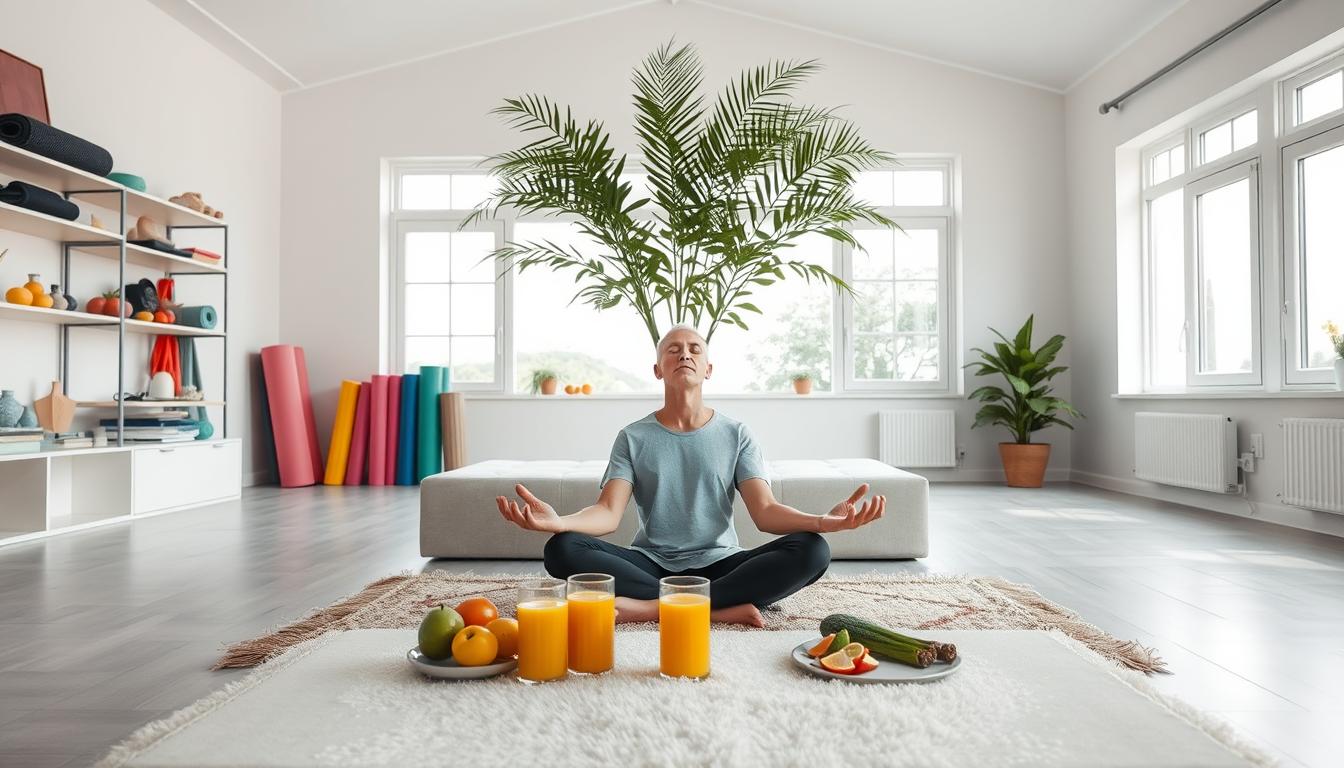
Are you ready to transform your life, but not sure where to start? Embarking on a journey to a healthier you can be both exciting and overwhelming.
Getting started with a healthy lifestyle is about making small, achievable changes that add up over time. It’s about adopting habits that nourish your body, mind, and spirit.
By the end of this guide, you’ll have a clear understanding of how to start your journey and make lasting changes.
Key Takeaways
- Understand the importance of setting realistic goals
- Learn how to incorporate simple, healthy habits into your daily routine
- Discover the benefits of a balanced diet and regular exercise
- Get tips on how to stay motivated and track your progress
- Find out how to make lasting changes that improve your overall well-being
Understanding the Foundations of a Healthy Lifestyle
Embarking on a healthy lifestyle journey can be both exciting and overwhelming, but understanding its foundations can make all the difference. For beginners, it’s essential to start with simple health habits that can be sustained over time.
One of the key principles of a healthy lifestyle is making incremental changes that lead to significant long-term results.
Why Small Changes Lead to Big Results
When adopting beginner health tips, it’s crucial to begin with small, manageable changes. This approach helps in building confidence and ensures that the new habits are sustainable. For instance, starting with short walks each day can gradually lead to a more active lifestyle.
Setting Realistic Health Goals
Setting achievable goals is vital for maintaining motivation. By focusing on realistic objectives, individuals can track their progress and stay committed to their health journey. This might involve setting specific targets, such as drinking a certain amount of water each day or incorporating more fruits into one’s diet.
The Mind-Body Connection
The connection between mental and physical health is profound. Practicing simple health habits like meditation or deep breathing can enhance mental well-being, which in turn supports physical health. Understanding this interconnection is key to a holistic approach to health.
| Healthy Habit | Benefit |
|---|---|
| Drinking plenty of water | Boosts energy and aids digestion |
| Incorporating daily walks | Improves cardiovascular health and mood |
| Practicing mindfulness | Reduces stress and enhances mental clarity |
Essential Healthy Lifestyle Tips for Beginners
As a beginner, taking the first step towards a healthier lifestyle can be a transformative experience. It’s about making sustainable changes that improve your overall well-being. In this section, we’ll explore practical tips to help you get started on your journey to a healthier you.
Creating a Balanced Daily Routine
A balanced daily routine is the foundation of a healthy lifestyle. It involves incorporating habits that promote physical and mental well-being. By structuring your day effectively, you can improve your productivity and reduce stress.
Morning Habits for Success
Starting your day with a positive routine can set the tone for success. Morning habits such as meditation, journaling, or a short workout can boost your energy and focus. For example, a 10-minute morning meditation session can help clear your mind and prepare you for the day ahead.
Evening Rituals for Recovery
Evening rituals are equally important for recovery and relaxation. Activities like reading, taking a warm bath, or practicing gentle stretches can help your body unwind. A consistent evening routine signals to your brain that it’s time to sleep, improving the quality of your rest.

Tracking Your Progress Effectively
Monitoring your progress is crucial to staying motivated on your healthy lifestyle journey. Using a journal or a mobile app to track your habits, workouts, and nutrition can provide valuable insights into your progress. This data can help you identify patterns and make informed decisions to adjust your routine as needed.
- Keep a daily log of your activities and meals.
- Use a fitness tracker to monitor your physical activity.
- Set reminders to stay on track with your goals.
Building Sustainable Habits
Building habits that last requires consistency and patience. It’s essential to start small and gradually build up to more significant changes. By focusing on one habit at a time, you can create a lasting routine that becomes second nature over time.
For instance, if you’re aiming to start a new exercise habit, begin with short sessions a few times a week and gradually increase the duration and frequency. Celebrating small victories along the way can also help to keep you motivated.
Nutrition Fundamentals for Beginners
For beginners, grasping the fundamentals of nutrition is a crucial step towards a healthier life. Nutrition is the foundation upon which a healthy lifestyle is built, influencing not just our physical health but also our mental well-being.
Simple Meal Planning Strategies
Meal planning is a powerful tool for ensuring you’re getting the nutrients you need. It involves planning out your meals for the week, making a grocery list, and sticking to it. This not only saves time and reduces food waste but also helps in avoiding last-minute, often unhealthy, food choices.
To start, identify your dietary goals and preferences. Then, plan your meals around seasonal produce to ensure freshness and variety. Consider batch cooking and using leftovers to make meal prep more efficient.
Understanding Portion Control
Portion control is about understanding how much food you need to feel satisfied without overeating. It’s a key aspect of maintaining a healthy weight and ensuring you’re not consuming more calories than you need.
A simple way to practice portion control is by using smaller plates and bowls, which can help visually manage portion sizes. Being mindful of serving sizes and avoiding eating directly from the package can also help.
Hydration and Its Importance
Staying hydrated is crucial for our bodies to function properly. Water helps in regulating body temperature, transporting nutrients, and removing waste products. Even mild dehydration can cause fatigue, headaches, and difficulty concentrating.
Aim to drink at least eight glasses of water a day, and adjust according to your activity level and climate. Incorporating hydrating foods like fruits and vegetables into your diet can also contribute to your overall hydration.
Navigating Healthy Food Choices
Making healthy food choices can be overwhelming with the myriad of options available. It’s essential to focus on whole, unprocessed foods as much as possible. These foods tend to be higher in nutrients and lower in unhealthy additives.
Grocery Shopping Tips
When grocery shopping, stick to the perimeter of the store where fresh produce, meats, and dairy products are typically located. Avoid processed and packaged foods often found in the central aisles.
Reading labels is also crucial. Look for products with fewer ingredients and be wary of added sugars, sodium, and unhealthy fats.
Healthy Swaps for Common Foods
Making healthy swaps in your diet can significantly impact your overall health. For example, choosing whole grain bread over white bread, or opting for lean proteins like chicken or fish instead of processed meats.
Here’s a simple comparison of common foods and their healthier alternatives:
| Common Food | Healthier Alternative |
|---|---|
| White Rice | Brown Rice |
| Processed Snacks | Nuts and Seeds |
| Sugary Drinks | Infused Water or Unsweetened Tea |
By incorporating these nutrition fundamentals into your daily life, you’ll be well on your way to a healthier, more balanced lifestyle.
Getting Started with Physical Activity
Physical activity is a crucial component of overall wellness, and getting started can be simpler than you think. As a beginner, it’s essential to start with small, achievable steps that can lead to significant long-term benefits.
Finding Activities You Enjoy
The key to maintaining a physical activity routine is finding exercises and activities that you genuinely enjoy. This could be anything from brisk walking, cycling, or swimming to dancing, yoga, or team sports. Experimenting with different activities will help you discover what works best for you and keep you motivated.
- Try out local gym classes or online workout videos.
- Join a recreational sports team or club.
- Take a walk or bike ride in a nearby park.
Building a Beginner-Friendly Exercise Routine
Creating an exercise routine that suits your lifestyle is vital. Start with short sessions and gradually increase the duration and intensity as you become more comfortable. A well-rounded routine should include a mix of cardiovascular exercises, strength training, and flexibility exercises.
Sample 7-Day Starter Plan
A simple 7-day plan can help you get started. For example:
- Monday: 15-minute brisk walk.
- Tuesday: Upper body strength training (light weights or bodyweight exercises).
- Wednesday: Rest day or light stretching.
- Thursday: 20-minute cycling or swimming.
- Friday: Lower body strength training.
- Saturday: 30-minute outdoor activity (hiking, jogging, etc.).
- Sunday: Rest day or yoga.
Essential Equipment for Beginners
You don’t need a lot of equipment to start exercising. Comfortable clothing and a good pair of shoes are essential. Depending on your chosen activities, you might also consider:
- Light dumbbells or resistance bands.
- A yoga mat.
- A fitness tracker or smartwatch.

Incorporating Movement Throughout Your Day
In addition to your structured exercise routine, incorporating more movement into your daily life can have significant health benefits. Simple changes like taking the stairs instead of the elevator, walking during your lunch break, or doing a few stretching exercises at your desk can make a big difference.
By finding activities you enjoy, building a beginner-friendly routine, and staying active throughout the day, you’ll be well on your way to making physical activity a sustainable part of your healthy lifestyle.
Conclusion: Maintaining Your Healthy Lifestyle Journey
Embarking on a healthy lifestyle journey is a significant step towards overall well-being. As you’ve learned, it’s about making small, sustainable changes that lead to big results. By understanding the foundations of a healthy lifestyle, creating a balanced daily routine, and incorporating physical activity, you’re well on your way to achieving your health goals.
Getting started with a healthy lifestyle requires persistence and patience. It’s essential to track your progress, celebrate your successes, and don’t be too hard on yourself when you encounter setbacks. By building sustainable habits and making healthy choices, you’ll be more likely to stick to your new lifestyle.
As you continue on your journey, remember that it’s a long-term process. Stay committed to your goals, and don’t be afraid to seek support when you need it. With time and dedication, you’ll be enjoying the benefits of a healthy lifestyle, from increased energy to improved overall health. By maintaining your healthy habits, you’ll be well on your way to a happier, healthier you.
FAQ
What are some simple ways to start a healthy lifestyle as a beginner?
Starting a healthy lifestyle can be as simple as incorporating small changes into your daily routine, such as drinking more water, taking a short walk each day, or preparing healthy meals. These easy wellness tips can help you build a strong foundation for a healthier lifestyle.
How do I set realistic health goals?
Setting realistic health goals involves identifying achievable objectives, such as exercising for 30 minutes three times a week or eating five servings of fruits and vegetables daily. Breaking down larger goals into smaller, manageable steps can help you stay on track and make sustainable lifestyle changes.
What are some beginner nutrition tips?
Beginner nutrition tips include focusing on whole, unprocessed foods, being mindful of portion sizes, and staying hydrated. Simple meal planning strategies, such as planning your meals around whole foods and cooking at home, can also help you make healthier choices.
How can I make physical activity a part of my daily routine?
Incorporating physical activity into your daily routine can be as simple as finding activities you enjoy, such as walking, jogging, or dancing, and scheduling them into your day. You can also incorporate movement throughout your day by taking the stairs instead of the elevator or doing a few jumping jacks during commercial breaks.
What are some tips for tracking my progress effectively?
Tracking your progress effectively involves setting clear goals, monitoring your progress regularly, and making adjustments as needed. Using a journal, mobile app, or spreadsheet to track your progress can help you stay motivated and see the results of your efforts.
How can I maintain my healthy lifestyle journey in the long term?
Maintaining a healthy lifestyle journey requires persistence, patience, and a willingness to adapt to changing circumstances. Focusing on building sustainable habits, staying flexible, and celebrating your successes along the way can help you stay on track and achieve your long-term health goals.